UAE & GCC Market Entry
The Gulf retail and F&B market is not difficult to enter. It is difficult to enter correctly. The gap between what looks obvious from the outside and what is actually happening on the ground is wider here than almost anywhere else - and it is expensive to discover that gap after the lease is signed.
What this engagement covers
This engagement is for retail and food & beverage businesses considering entry into the UAE or broader GCC market. It is not a generic market overview - it is a focused analysis of your specific segment, your specific format, and the specific questions you need answered before making a commitment.
The UAE market has characteristics that do not map cleanly onto European or Asian retail experience. Mall operators have significant power over tenant mix and location allocation. Intermediaries play a structural role that has no equivalent in most Western markets - understanding who they are, what they do, and why paying them makes commercial sense is not optional. Seasonality is inverted and intensified: Ramadan, summer, and the October–March peak season each require different operational planning.
Beyond the UAE, Saudi Arabia represents the largest retail market in the GCC and is undergoing rapid structural change. Entry requirements, Saudization rules, and regulatory timelines are specific and consequential - getting them wrong adds months and significant cost.
The output of this engagement is practical knowledge: what the market actually looks like for your category, who the real competitors are, what it costs to operate, what the regulatory path looks like, and what the honest assessment of your prospects is. Including, where relevant, a clear recommendation not to proceed - or not yet.
How it works
Two engagements - Dubai retail and Saudi regulatory
The examples below draw on two real engagements: a competitive analysis for a European home goods retailer evaluating the Dubai mall market, and a regulatory roadmap produced for a retail company preparing to enter the Saudi market. Both are anonymised. They illustrate the two most common entry points for this type of work - understanding the competitive landscape on the ground, and understanding what the regulatory and operational setup actually requires.
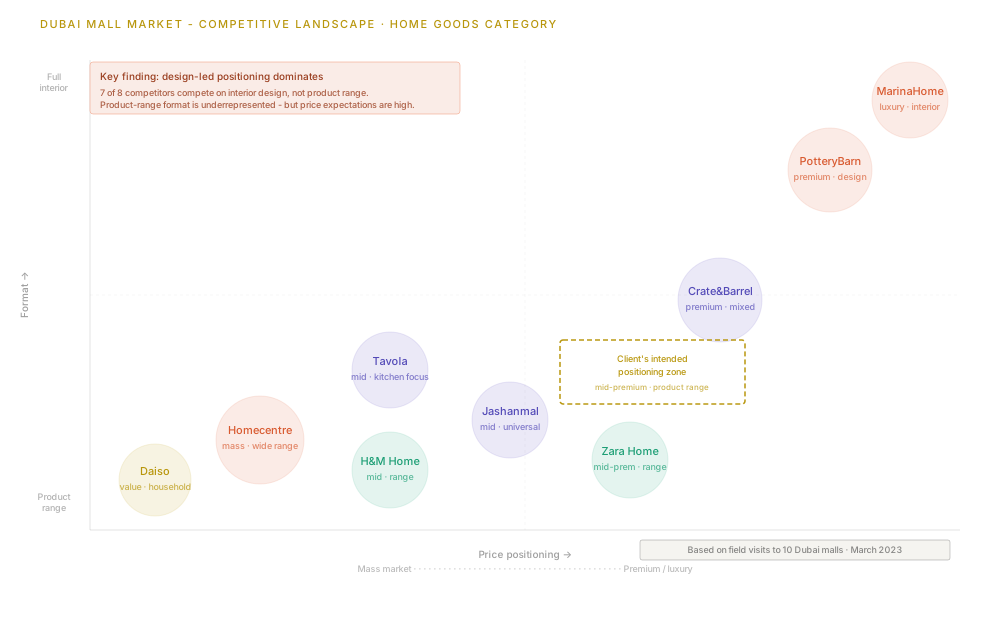
A European home goods retailer commissioned a competitive analysis of the Dubai mall market before committing to a location. The scope covered 10 malls across Dubai, with physical visits to each. For each mall: vacancy assessment, tenant mix in the relevant category, competitor positioning, and approximate footfall character. The analysis covered 8 direct competitors in the home goods category - ranging from mass-market operators to design-led boutique formats. Key finding: the market is heavily oriented toward full-interior design positioning, with very few operators competing on product range alone. This had direct implications for the client's format planning.
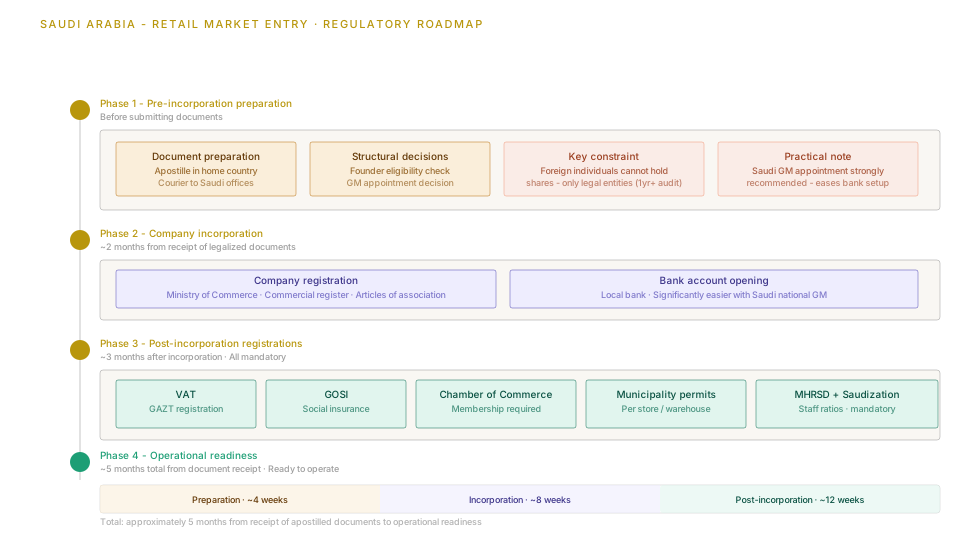
A retail company preparing to enter the Saudi market needed a clear picture of the regulatory requirements, timelines and structural considerations before engaging local counsel. The roadmap covered: company registration requirements and timeline (~2 months from document receipt), post-incorporation registrations (VAT, GOSI, Chamber of Commerce, municipality permits - approximately 3 further months), Saudization requirements, the role and practical implications of appointing a Saudi national as General Manager, and the specific constraints on foreign individual shareholders. The output was a structured Q&A document used as the basis for subsequent legal and operational planning.